
- Home
- WILDLIFE MANAGEMENT AND CONSERVATION PHD.
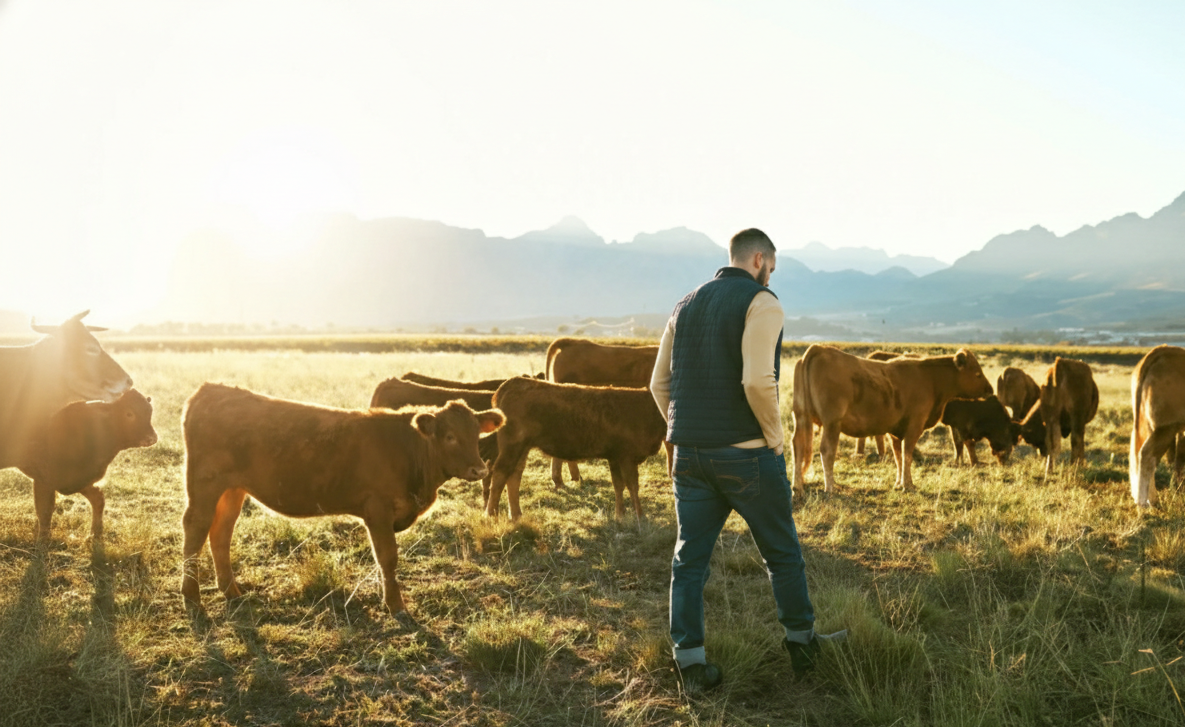
Wildlife Management and Conservation encompasses non-domesticated animal species, including wild animals kept in captivity that do not genetically differ from those remaining in the wild. Graduates of this study program master the practical implementation of conservation under in situ and ex situ conditions, in line with the principles of sustainable population and habitat management, with the aim of ensuring the long-term preservation of ecological balance and social functions in the context of human activities as one of the most significant factors influencing wildlife population size and living conditions.
Graduates are proficient in scientific research methods and in the management of sustainable wildlife conservation. They possess comprehensive knowledge of biodiversity and the protection of the gene pool of higher animals, taking into account ecological, conservation, breeding, production, commercial, recreational, and cultural aspects. They master the principles of scientific work, which they apply in formulating research objectives and scientific hypotheses, using scientific research methods, statistical evaluation, analysis, and verification of results, engaging in professional discussion, and adopting a critical scientific approach.
Graduates are able to present and publish scientific outputs and further develop the field of study. They possess a broad range of knowledge and skills in wildlife management, forestry, and the use and enhancement of agricultural landscapes, including in-depth expertise in sustainable hunting management, which they are able to further develop through scientific research, thus making a significant contribution to science and practice in the field.
The goal of the program is to prepare graduates at a high qualitative and content level to independently address both theoretical and practical issues of applied zoology, including hunting and conservation management of animals. Graduates acquire comprehensive knowledge and practical skills essential for the protection and sustainable use of animals as an integral part of forest ecosystems, including agroforestry systems. The proposed study program is philosophically grounded in the field of forestry, whose core subjects in both the educational and research components provide graduates with the necessary knowledge, abilities, and skills.
Form of Studies
daily attendance / external attendance
Lenght of Studies
4 years
Language
Slovak
English
PROFILE COURSES
TERMS AND CONDITIONS
Conditions and Rules of the Admission Procedure for the Third Degree Study Programme in Wildlife Management and Conservation in the Academic Year 2026/2027(.pdf)
CONTACT
Faculty of Agrobiology and Food resources
Tr. A. Hlinku 2, 949 76 Nitra